Sustainable Material Innovation
Technology in harmony with the environment
J-LITE is shaping the future of sustainable materials by combining renewable high-performance raw materials with eco-friendly processing technologies. We are committed to responsible innovation, reducing carbon emissions, promoting resource circulation, and minimizing harmful substances to help build a better future. At the heart of this mission is J-LITE, developing materials that deliver both functionality and environmental value.


Beyond Functionality, Designed for the Planet.
J-LITE looks beyond enhancing material performance—
we also consider how the material is made and the environmental impact it leaves behind.
J-LITE is moving beyond petroleum-based materials, developing sustainable and ethical solutions using renewable and recyclable high-performance resources. This goes beyond simple material selection—it represents a long-term strategy focused on resource circulation. We actively adopt energy-saving processes, harmful substance reduction technologies, and low-temperature processing systems to minimize carbon emissions and resource waste from the moment materials are produced to their end of life. By improving energy efficiency throughout production and managing environmental impact through measurable data, we are building a more transparent and responsible material production system.
J-LITE aims not just to claim “eco-friendliness,” but to set a new standard where functionality and sustainability coexist in balance—delivering value that changes not only the quality of materials, but also their impact on the environment and people’s perception.
STRUCTURAL VISION
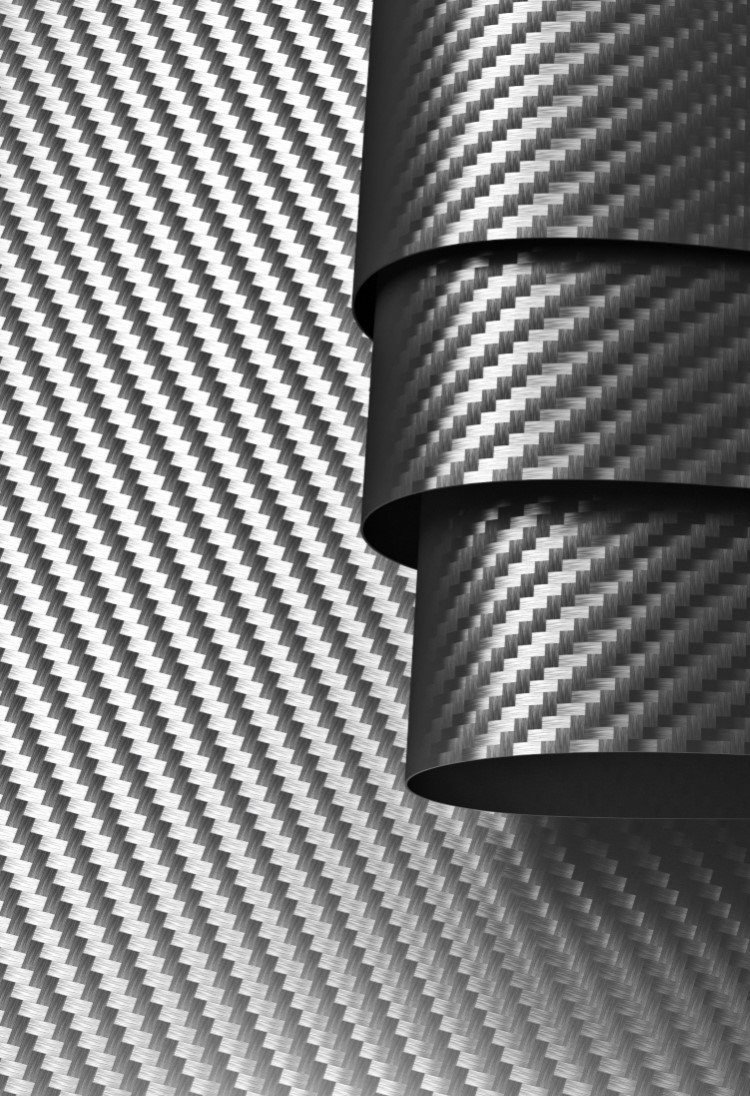
Sustainable materials are not just the “less harmful” choice—they are the result of a structural approach that considers functionality, the environment, and people together. J-LITE is committed to creating environmental value by carefully addressing every hidden technical aspect, from raw material sourcing and processing safety to recyclability.
Renewable High-Performance Materials
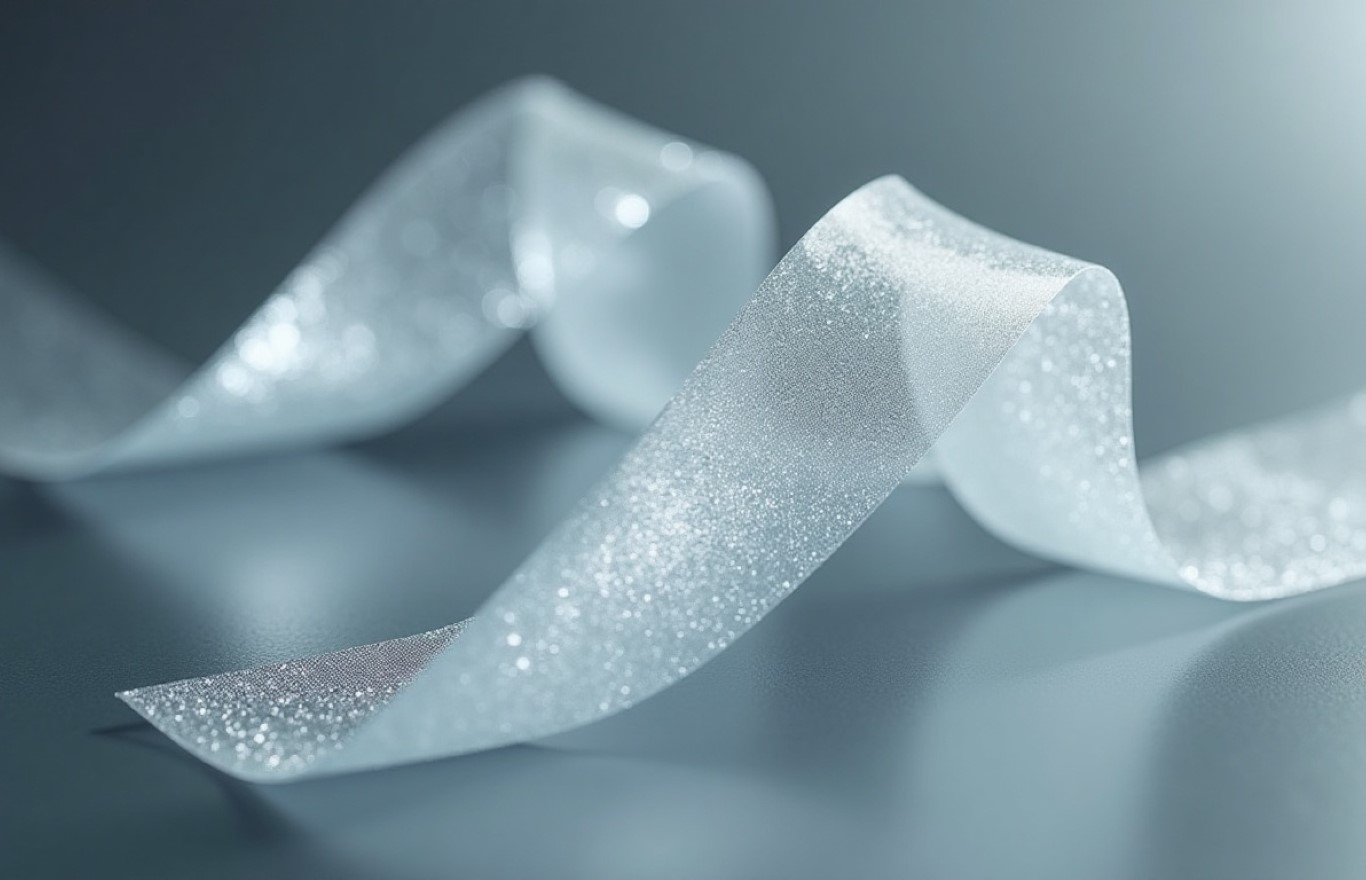
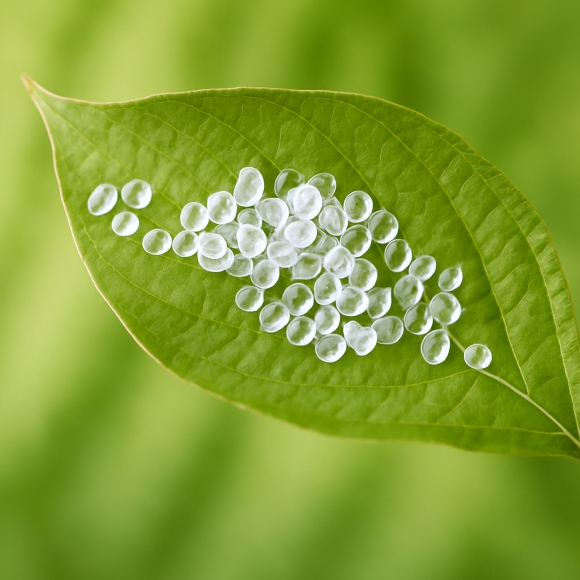
By utilizing a variety of eco-friendly materials—such as plant-based ingredients, biomass-derived polymers, and biodegradable resins—J-LITE achieves the same level of physical performance as conventional petroleum-based materials, while contributing to carbon reduction and minimizing environmental toxicity. Our materials can be tailored for diverse applications, including apparel films, printing substrates, and composite fabrics. From raw material selection and formulation to structural design, we take an integrated approach to realize the balance between high functionality and sustainability.
Sustainability Begins in the Process
Through optimized production design, we minimize environmental impact at every stage—from the very beginning of material development to the final product.
Beyond simply using eco-friendly raw materials, we take a systematic approach to sustainability throughout the entire process of transforming those materials into high-performance functional products.
A single point of light can guide the way, and a sharp reflection can save a life.
Revealing hidden dangers—that is the true essence of reflective sheets, and the reason we do what we do.
Safety often begins with a small, quiet shimmer.
Like a trace of light that endures in the dark, our technology detects unseen dangers in advance and protects someone’s day with a single reflected beam.
Light may pass in a moment, but the trust we leave behind endures.
Ensuring quality even in the unseen moments—that’s why we are uncompromising in our commitment to reflective fabrics.
Research for a Future We Can Redesign.
J-LITE’s research goes beyond product development, aiming to design a complete material lifecycle—from beginning to end—with a focus on circularity.
Designing materials with responsibility that extends beyond the end of their life. We research structures that enable disassembly, separation, recycling, and reprocessing—so that materials can return as resources once again. At J-LITE, we design the future of materials that are made not to be discarded, but to live on in a more sustainable world.