April 2025 – President Trump Announces Tariff Hike
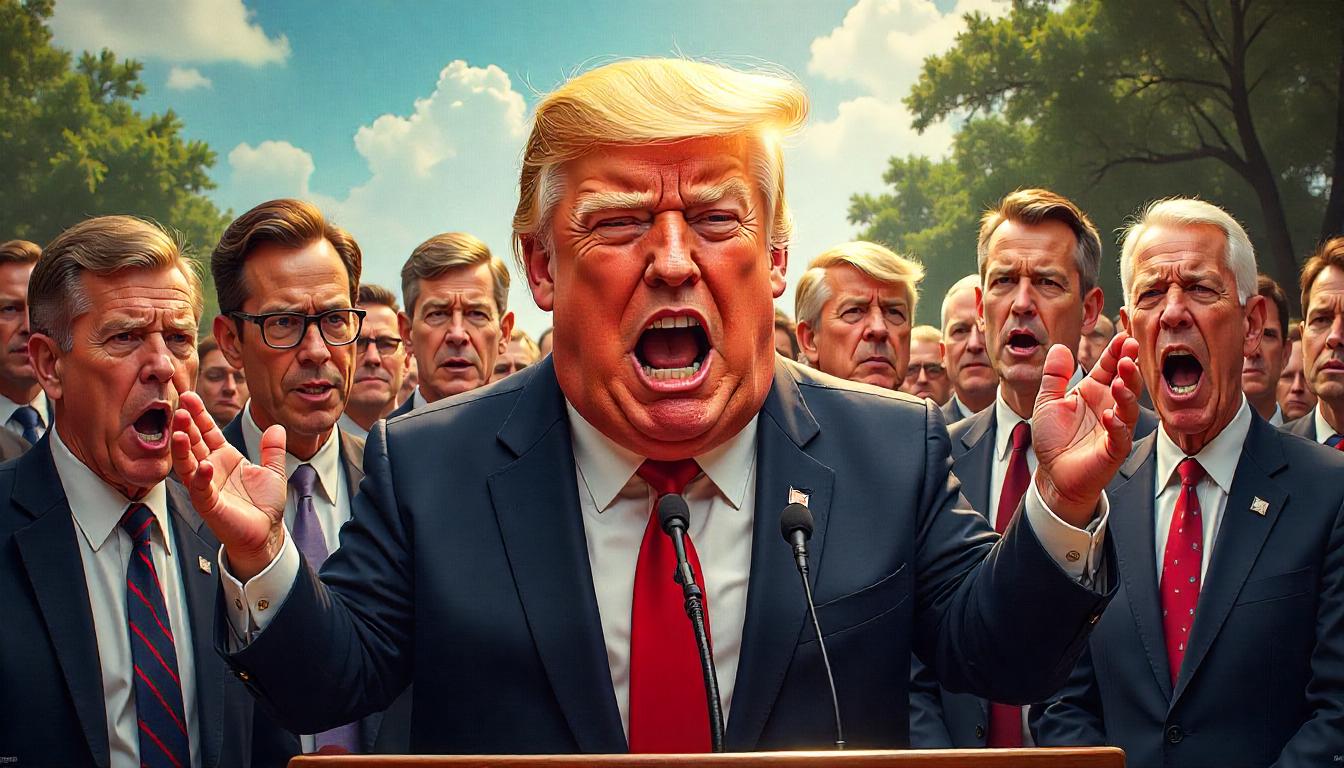
On April 2, 2025, President Donald Trump officially announced new tariff measures during his so-called “Liberation Day” speech, imposing a 10% base tariff on all imported goods and up to an additional 25% tariff on selected countries, including South Korea.
This move reinforces President Trump’s “America First” policy, aimed at restoring U.S. manufacturing and employment through strengthened trade barriers.
These increased tariffs are expected to affect not only the automotive, steel, and textile industries but also chemical-based industries, including functional films and reflective materials.
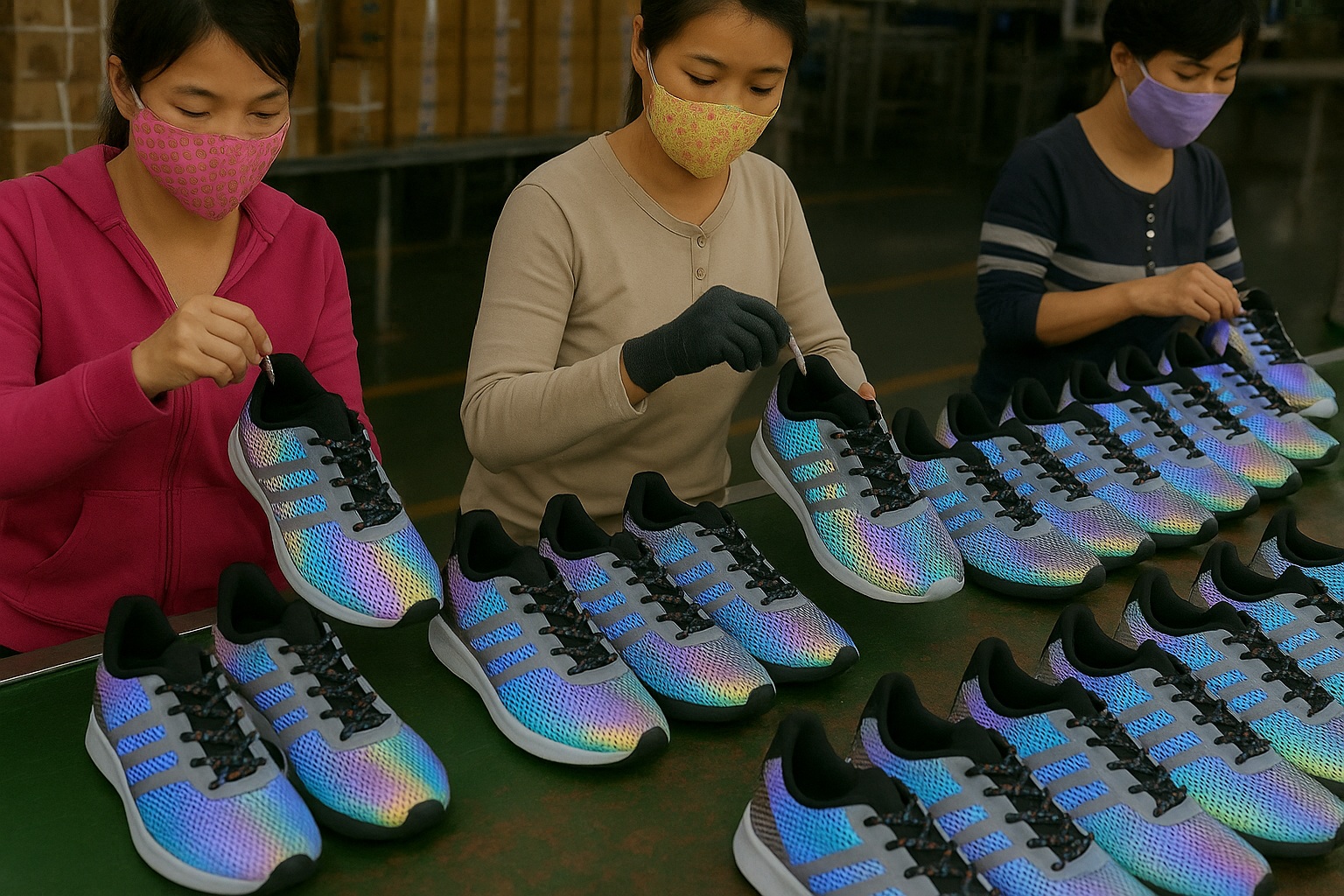
Reflective materials, which often involve composite structures such as fabrics, sheets, and films, are largely manufactured in South Korea and exported to the United States.
As a result, this policy poses a direct challenge to price competitiveness and distribution strategies in the U.S. market.

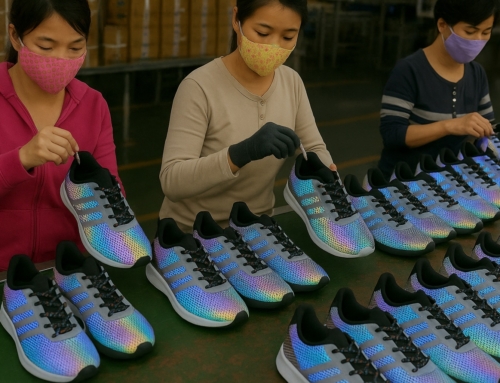
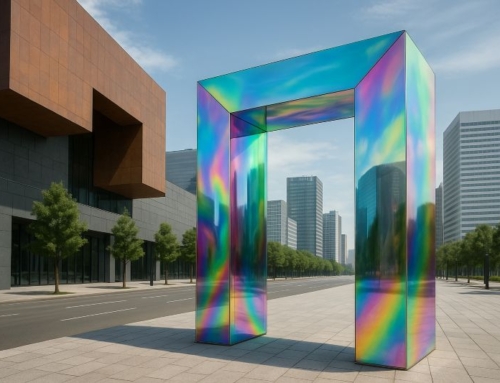
Reflective materials are widely used across various sectors, including traffic safety equipment, industrial uniforms, sportswear, and urban advertising banners.
In the United States, demand for such materials remains steady, partly due to safety regulations such as ANSI/ISEA 107, which often require the use of high-visibility reflective materials in certain products.
The key factor that has allowed Korean-made materials to remain competitive in this market has been their balance of advanced technology and reasonable pricing.
Potential Impact on the Reflective Material Market
If production costs rise by 10 to 25% due to the new tariff measures, U.S. buyers are likely to consider alternative materials.
This is particularly true for product categories such as reflective sheets and heat transfer reflective films, where many comparable products exist within standard specifications, making price a key factor in purchasing decisions.
As a result, even if Korean reflective materials maintain their technical advantages, there is a risk of losing large-volume orders in favor of lower-cost alternatives.
Is There a Tariff Response Strategy for the Reflective Material Industry?
Reflective materials are part of a complex industry that integrates textile, coating, and optical film technologies.
This means that simply changing the country of origin or relocating part of the production process is unlikely to fully resolve tariff-related challenges.
Consistency in quality, compliance with functional performance tests, and re-certification under standards such as UL or ISEA must also be considered.
Korean manufacturers should therefore explore a range of strategies, including renegotiating supply agreements with OEM partners, expanding partnerships with processing facilities in Latin America, and shifting product strategies toward high-value, specialized items.
With price competitiveness under pressure, differentiation through advanced optical performance, eco-friendly water-based adhesives, and enhanced retroreflective efficiency is emerging as a key strategy.
While tariffs are political, products are technical.
What is needed now is not just temporary price adjustments, but the long-term strengthening of structural competitiveness.